
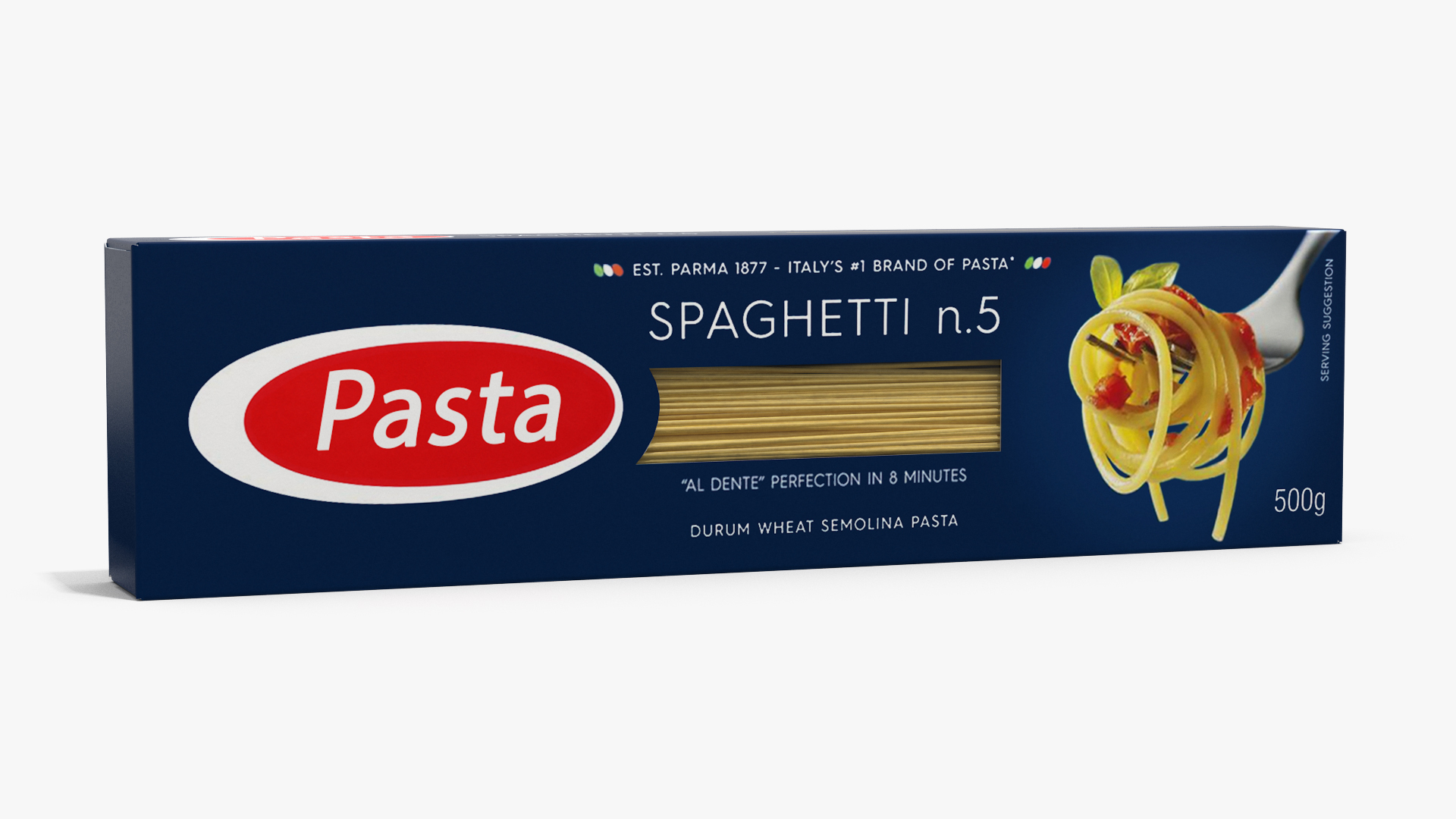
A pasta box is one of the simplest ways to stock up on versatile ingredients that make meal preparation easy and delicious. From spaghetti and penne to fusilli and macaroni, pasta boxes provide a convenient solution for families and culinary enthusiasts alike. Choosing the right pasta box can elevate your dishes, ensuring perfect texture, flavor, and portion control.
In this guide, we’ll explore different pasta box options, compare their features, and help you identify which type suits your taste, budget, and cooking needs.
Table of Contents
ToggleWhat is a Pasta Box?
A pasta box usually refers to dry pasta sold in cardboard packaging or containers. These boxes often include standard pasta shapes such as spaghetti, fusilli, penne, and macaroni. Beyond convenience, pasta boxes make it easier to measure portions, store pasta for long periods, and try different pasta types without committing to bulk quantities.
Pasta boxes are widely available in grocery stores, online marketplaces, and specialty food shops, making them an accessible ingredient for everyday cooking.
Italian Brands: Barilla and De Cecco
Italian pasta brands are known worldwide for their quality and authenticity. Two popular options include Barilla and De Cecco.
Barilla Pasta Box
Barilla is recognized for consistent quality and a broad range of pasta shapes. Made from durum wheat semolina, Barilla pasta maintains a firm texture that works well for sauces and baked dishes. Each pasta box provides clear cooking instructions, ensuring perfect al dente results.
Barilla pasta boxes are sturdy, protecting the pasta during storage and transit. They cater to home cooks who want reliability and variety. Although they can be slightly pricier than store brands, many consumers value their consistent texture and authentic flavor.
De Cecco Pasta Box
De Cecco pasta offers traditional Italian taste and a firm, al dente texture. Specialty shapes such as orecchiette and rigatoni provide options for gourmet meals. De Cecco pasta appeals to those seeking authentic Italian flavor and premium ingredients.
While some buyers may face difficulty finding De Cecco pasta outside Italy, the product’s taste and quality often make it worth seeking out.
Store Brand Pasta Boxes
For budget-conscious shoppers, store brand pasta boxes offer a practical alternative. These products cover popular pasta shapes and are typically more affordable than Italian brands. Many store-brand pastas provide decent quality and taste, making them suitable for daily meals.
The main advantage is affordability without sacrificing convenience. However, consistency can vary across brands. Some may closely match the taste of Barilla or De Cecco, while others may not hold up as well when cooked.
Store-brand pasta boxes are ideal for families who need larger quantities of pasta without spending too much.
Organic and Specialty Pasta Boxes
Health-conscious consumers or those with dietary restrictions often prefer organic and specialty pasta boxes. These pastas use wholesome ingredients such as organic wheat, quinoa, or brown rice and often exclude additives or preservatives.
Specialty pasta boxes also cater to gluten-free diets, whole grain preferences, and other dietary needs. Choosing these options allows you to enjoy pasta while prioritizing health and sustainability.
While organic and specialty pasta boxes may cost more than standard options, many find the health benefits and environmentally friendly production methods worth the investment.
Comparing Pasta Box Options
When deciding which pasta box to buy, consider several key factors:
-
Quality: Italian brands generally offer superior texture and flavor.
-
Variety: Specialty pasta boxes may include unique shapes or alternative grains.
-
Price: Store brands are budget-friendly, while premium and organic options are more expensive.
-
Accessibility: Some international brands may be harder to find locally.
By comparing these factors, you can select a pasta box that aligns with your culinary needs and budget.
Tips for Using Pasta Boxes
Using pasta boxes effectively ensures great meals every time. Here are some helpful tips:
-
Measure Portions: Most pasta boxes provide standardized serving sizes. Use them to avoid overcooking or wasting pasta.
-
Store Properly: Keep pasta in a cool, dry pantry to maintain freshness and prevent moisture from affecting the texture.
-
Experiment with Shapes: Different pasta shapes suit different sauces—spaghetti works with tomato-based sauces, while rigatoni holds creamy sauces well.
-
Mix and Match: Combine standard pasta with specialty or whole grain pasta for diverse textures and flavors.
Why Pasta Boxes Are Essential in Every Kitchen
Pasta boxes offer convenience, affordability, and flexibility. They are easy to store, cook, and serve, making them a staple for both quick weeknight dinners and elaborate meals. Additionally, pasta boxes allow home cooks to explore international flavors and specialty options without complicated shopping trips.
Whether you prioritize Italian authenticity, budget-friendly options, or organic ingredients, pasta boxes provide a reliable foundation for creating satisfying dishes.
Conclusion: Finding Your Perfect Pasta Box
Selecting the right pasta box can transform everyday meals into flavorful, well-balanced dishes. Italian brands like Barilla and De Cecco deliver consistent quality and classic taste, while store brands provide affordability and accessibility. Organic and specialty pasta boxes cater to health-conscious cooks and those with dietary restrictions.
By considering quality, variety, price, and dietary preferences, you can choose the ideal pasta box to meet your cooking needs. With so many options available, stocking your kitchen with the right pasta box ensures delicious meals for any occasion.
Ultimately, pasta boxes are more than just a pantry staple—they are a gateway to culinary creativity, convenience, and enjoyable dining experiences at home.
