
Table of Contents
ToggleIntroduction: What Makes Adobong Rice Special
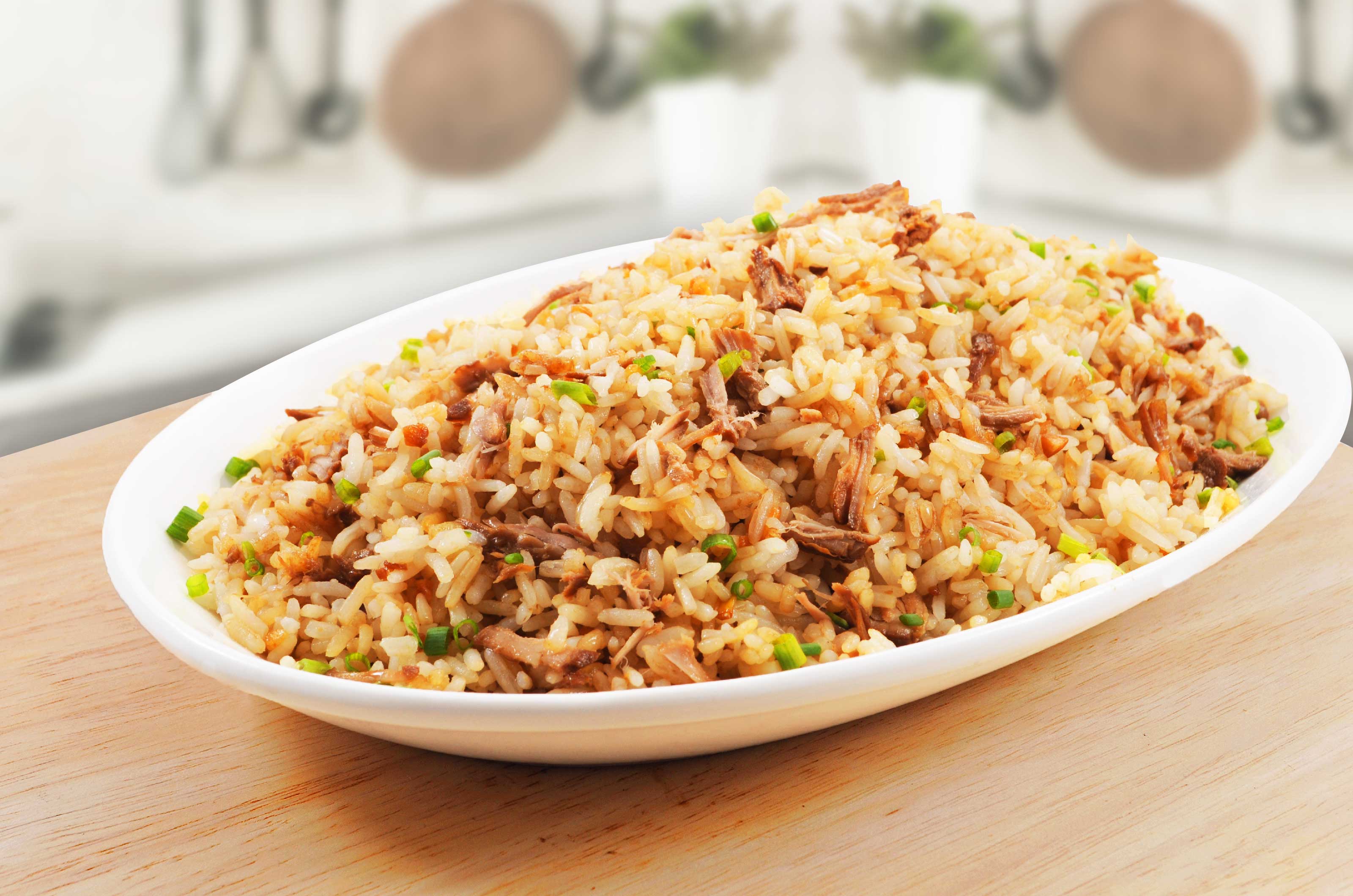
In Filipino cuisine, adobong rice holds a special place as a delicious and comforting dish. Inspired by the classic adobo, this flavorful rice meal captures the essence of Filipino cooking — simple ingredients, bold flavors, and a touch of creativity. It is more than just food; it’s a symbol of Filipino ingenuity, turning everyday staples into something extraordinary.
The Origin of Adobong Rice
The story of rice begins with adobo, a dish made by marinating meat in vinegar, soy sauce, garlic, and spices. This cooking method dates back to the Spanish colonial period when Filipinos used vinegar to preserve food. Over time, rice was added to this iconic dish, creating a comforting version that brings together the best of both worlds — adobo’s rich flavor and rice’s familiar texture.
This creative fusion reflects how Filipino cuisine blends foreign influences with local traditions, resulting in dishes that feel both historic and homegrown.
Simple Ingredients, Big Flavor
The beauty of rice lies in its simplicity. The main ingredients include:
-
Cooked rice
-
Chicken or pork (sometimes both)
-
Vinegar
-
Soy sauce
-
Garlic
-
Bay leaves and pepper
Everything is cooked in a single pan, allowing the rice to soak up all the savory adobo flavors. The result is a hearty meal that’s perfect for any time of day — breakfast, lunch, or dinner.
For a creative twist, you can use shrimp, squid, tofu, or mushrooms. These variations make it adaptable to different diets and preferences.
How to Cook Adobong Rice at Home
Cooking rice is simple, even for beginners.
-
Sauté garlic in oil until golden brown.
-
Add meat and cook until lightly browned.
-
Pour in vinegar and soy sauce, then season with pepper and bay leaves. Let it simmer until the sauce reduces.
-
Add rice and mix well so it absorbs the sauce.
-
Stir-fry everything together for a few minutes.
You’ll end up with fragrant, flavorful rice coated in adobo goodness — a true taste of the Philippines.
Cultural Significance of Adobong Rice
In Filipino households, it represents more than just sustenance — it’s a reminder of family, community, and resourcefulness. Filipinos are known for making the most out of simple ingredients, and it is the perfect example of that creativity.
It’s commonly served during family gatherings, fiestas, and even casual meals. Sharing it around the table fosters connection and warmth, reflecting the Filipino value of togetherness.
Adobong Rice Around the World
As Filipino cuisine gains global recognition, it has started to appear on menus in international restaurants. Food festivals and Filipino cafés now highlight this dish for its bold flavor and comforting appeal. Its versatility makes it a favorite among both Filipinos and food enthusiasts worldwide.
It serves as an ambassador for Filipino gastronomy — a dish that tells a story of tradition, adaptation, and pride.
Perfecting the Balance of Flavors
The secret to great rice is balance. The tangy vinegar, salty soy sauce, and aromatic garlic must complement one another. The goal is to create harmony — not let one flavor overpower the rest.
Cooking this dish teaches patience and attention to detail, values that mirror the essence of Filipino cooking. When done right, every bite carries the perfect mix of sour, savory, and aromatic notes.
Family, Food, and Filipino Pride
In many Filipino homes, making it is a family activity. Parents teach children the art of cooking while sharing stories and laughter in the kitchen. It’s not just about preparing a meal — it’s about preserving a tradition.
Whether cooked for an ordinary dinner or a special occasion, adobong rice brings people together. It reminds Filipinos everywhere of home, warmth, and the simple joys of good food.
Conclusion: Celebrate Filipino Heritage with Adobong Rice
Adobong rice is more than a dish — it’s a story of Filipino heritage, creativity, and love for food. From its humble beginnings to its global appeal, this flavorful rice meal continues to represent the heart of Filipino cooking.
So the next time you crave something hearty and full of flavor, try making rice at home. With every spoonful, you’ll taste a blend of history, culture, and passion — the true spirit of the Philippines.
