
Table of Contents
ToggleIntroduction: What Is Tubetti Pasta?
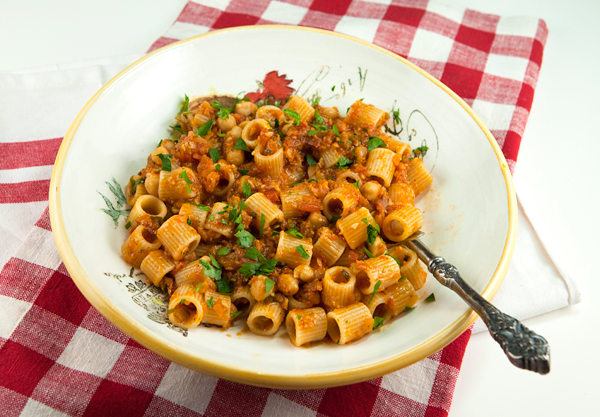
Tubetti pasta is a small, tube-shaped pasta that captures sauces perfectly. Loved by both chefs and home cooks, it brings a delightful texture to soups, salads, and baked dishes. Originating in Italy, this miniature pasta is famous for its versatility and ability to turn simple meals into comforting classics.
Origins and Characteristics
The word tubetti comes from the Italian “tubo,” meaning tube. This pasta is made by extruding dough through a die to form hollow cylinders about one inch long. It’s traditionally made from durum wheat semolina, which gives it a firm texture and nutty flavor.
The small tubes hold sauces inside, ensuring every bite is flavorful. Because of its shape and texture, it works beautifully in broths, casseroles, and cold dishes alike.
Culinary Uses of Tubetti Pasta
1. Perfect for Soups
Tubetti pasta is a classic ingredient in minestrone, the famous Italian vegetable soup. It absorbs broth beautifully, making every spoonful hearty and satisfying.
2. Ideal for Pasta Salads
This pasta holds up well with dressings and fresh vegetables. Combine pasta with cherry tomatoes, cucumbers, olives, and a lemon vinaigrette for a refreshing meal.
3. Great for Baked Dishes
In baked recipes like pasta al forno, tubetti keeps its shape and texture. Mix it with marinara, mozzarella, and ricotta, then bake until golden for a comforting dinner.
4. Vibrant in Pasta Primavera
For a light option, toss pasta with sautéed zucchini, bell peppers, and garlic in olive oil. The result is a colorful, flavorful dish perfect for summer meals.
5. Creative Stuffed Pasta
You can even stuff cooked tubetti tubes with cheese and herbs. Bake them in tomato sauce for a bite-sized twist on traditional stuffed pasta.
Nutritional Benefits of Tubetti Pasta
Made from durum wheat semolina, it is rich in complex carbohydrates that give lasting energy. It also provides protein and fiber, which help you feel full longer.
To make a balanced meal, pair tubetti with vegetables, lean proteins, and healthy fats like olive oil. This combination supports good digestion and overall wellness.
Tubetti Pasta in Global Cuisine
Though rooted in Italy, pasta has found its way into kitchens around the world:
-
Greek cuisine: Used in pastitsio, a baked pasta layered with meat and béchamel sauce.
-
Middle Eastern dishes: Added to maqluba, a flavorful casserole of rice, vegetables, and spices.
-
Fusion cuisine: Chefs experiment by pairing tubetti with spicy curries, Asian sauces, or Mediterranean herbs.
Its adaptability makes it perfect for both traditional and modern recipes.
How to Cook Tubetti Pasta Perfectly
-
Bring a large pot of salted water to a boil.
-
Add pasta and cook for 7–9 minutes or until al dente.
-
Drain and toss with olive oil or sauce immediately to prevent sticking.
Tips for Pairing Sauces with Tubetti Pasta
Because pasta traps sauce inside its hollow shape, it works best with:
-
Thick tomato sauces (marinara, arrabbiata)
-
Creamy sauces (alfredo, cheese-based)
-
Light oil-based sauces with herbs
Experiment with ingredients like sun-dried tomatoes, roasted garlic, and fresh basil for added depth.
Why You Should Add Tubetti Pasta to Your Pantry
Tubetti pasta is more than just a small tube of dough — it’s a culinary gem. It’s easy to cook, pairs with almost anything, and adds fun texture to everyday meals. Whether in soups, salads, or baked recipes, it offers comfort and creativity in every bite.
Conclusion
From its Italian heritage to its modern versatility, it proves that small things can make a big difference in the kitchen. It brings warmth to soups, structure to salads, and flavor to baked dishes. Keep a box of tubetti pasta in your pantry, and you’ll always have the perfect ingredient for delicious, satisfying meals.
